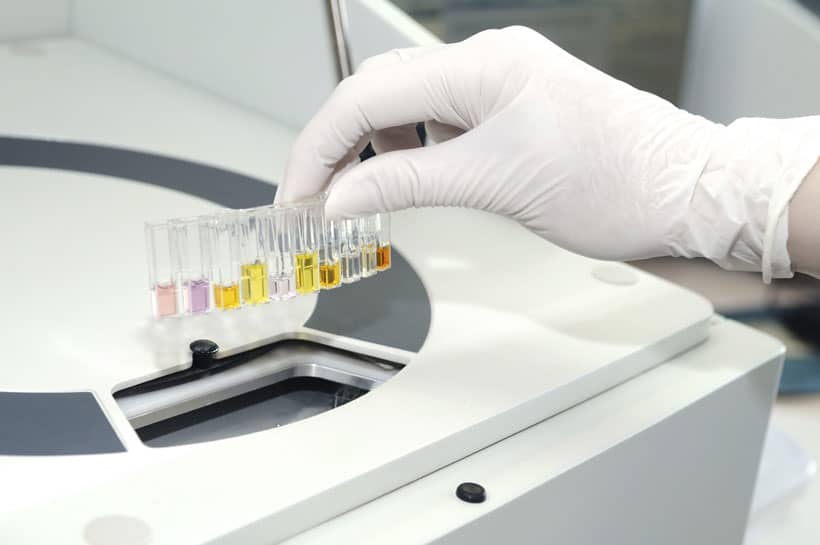
A medical device manufacturer needed to understand the throughput impacts of a proposed instrument change. The company also needed to understand if and how scheduling algorithms should change given the proposed physical change to the device.
- Device complexity and high variability in health care systems made simulation modeling a perfect fit to understand the impact of changes to the system.
- The simulation environment was utilized to understand why current algorithms may be sub-optimal and test changes to the sequencing of work in the system.
- The model was delivered with flexible input parameters, so the device manufacturer could continue to experiment with future proposed changes.
Key outcome were:
- The medical device manufacturer found throughput increases met and exceeded the minimum required to move forward with the design modification.
- A suggested change to the scheduling algorithm, resulting from the simulation engagement, increased instrument throughput by an additional 5%.
Other Case Studies
- All
- AMR
- Anylogic
- Dairy Farm Simulation
- Digital Decision Support
- Digital twin disease modeling
- Distribution Center
- Equipment Fleet Sizing
- Food system resilience and pandemics
- High Pathogenic Avian Influenza (HPAI)
- HPAI risk model
- Influenza virus mutation risk
- Medium-Term Mine Planning
- Mine Haulage Systems
- MineTwin
- MineTwin Case Study
- Mining Bottleneck Analysis
- Operational Excellence
- Picking
- Predictive disease modeling
- Production Ramp-Up
- Shaft Capacity Analysis
- Simulation
- Simulation-Based Planning
- Slotting
- underground mining
- Zoonotic disease risk modeling